Auto Blog

Intermittent Car Problems – Why They are Hard to Diagnose

Few things are more frustrating than a car problem that seems to come and go without warning. One day your vehicle runs perfectly, and the next it hesitates, stalls, or flashes a warning light—only for the issue to disappear before you can even get it checked out. These are known as intermittent car problems, and they can be some of the most challenging issues for both drivers and technicians to diagnose. What Are Intermittent Car Problems? Intermittent car problems are issues that occur inconsistently. Unlike persistent mechanical failures, these problems may only show up under certain conditions, such as: Specific temperatures (hot or cold weather) After driving for a certain amount of time During acceleration or braking When hitting bumps or rough roads Because the issue isn’t always present, it can be difficult to replicate during a standard inspection, making diagnosis more complex. Even worse — sometimes you don't even know what the unknown trigger is and you're left guessing. Common Types of Intermittent Issues Intermittent problems can affect virtually any system in your vehicle, [...]

Understanding Car Service Bulletins vs. Recalls

You might have heard terms like car service bulletins or recalls. At first glance, they sound similar—but they’re actually very different. Knowing the difference helps you understand what’s urgent, what’s optional, and what steps to take next. What Are Car Service Bulletins? Car service bulletins, often called Technical Service Bulletins (TSBs), are notices issued by vehicle manufacturers to dealerships and repair shops. These bulletins explain known issues that may appear in certain makes or models and provide guidance on how to fix them. Think of car service bulletins as helpful updates. They don’t mean your vehicle is unsafe to drive. Instead, they alert technicians to patterns—like a common noise, performance issue, or electrical glitch—and outline the recommended repair. For example, a manufacturer may release a car service bulletin if drivers report: A specific engine hesitation A recurring dashboard warning light A known issue with a sensor or software system These bulletins help technicians diagnose problems faster and repair them in a timely manner. Do Car Service Bulletins Mean Free Repairs? Not always. This is where [...]

By |2026-04-20T13:18:38-06:00April 24th, 2026|Car Service & Maintenance|0 Comments

Why Suspension Bushings Wear Out Before Big Parts Do

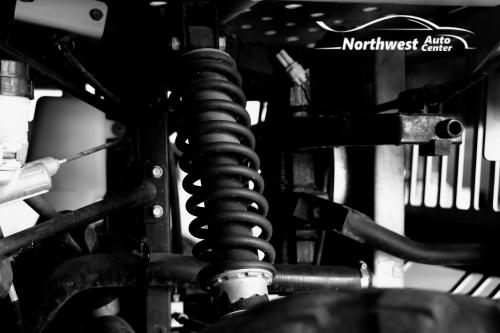
When your car starts making creaking noises, clunking over bumps, or feeling a little loose on the road, your first thought might be something major—like shocks or struts. But in many cases, the real culprit is much smaller: suspension bushings. These small components play a big role in ride comfort and handling. And because of how they’re designed, many times they wear out before larger suspension parts. What Are Suspension Bushings? Suspension bushings are small, flexible pieces typically made of rubber or polyurethane. They sit between metal components in your suspension system, such as control arms, sway bars, and mounting points. Their job is to: Absorb vibration Reduce noise Cushion movement between metal parts Help maintain proper alignment and handling Think of bushings as the “shock absorbers” for your suspension components. They soften the impact of everyday driving and keep your ride smooth and controlled. Why Bushings Wear Out Faster Unlike metal parts like control arms or suspension links, bushings are made from softer materials. That flexibility is what makes them effective—but it also makes [...]

By |2026-04-20T10:52:43-06:00April 20th, 2026|Car Parts|0 Comments

Spark Plugs & Ignition Coils: Small Parts, Big Impact

When it comes to vehicle performance, some of the most important components are also some of the smallest. Spark plugs and ignition coils may not get the attention that engines or transmissions do, but they play a huge role in how smoothly your vehicle runs. When these parts begin to wear out, you may notice changes in fuel efficiency, acceleration, and overall engine performance. How Spark Plugs and Ignition Coils Work Together Your engine relies on a precise process called combustion to generate power. Air and fuel mix together inside the engine’s cylinders, and then a spark ignites that mixture to create the energy needed to move your vehicle forward. This is where spark plugs and ignition coils come into play. The ignition coil converts the battery’s low voltage into the high voltage needed to create a spark. That electrical charge travels to the spark plug, which produces the spark that ignites the air-fuel mixture. This process happens thousands of times every minute while your engine is running. Because of this constant activity, spark plugs [...]

By |2026-03-18T13:45:39-06:00March 18th, 2026|Car Parts|0 Comments

What Happens When Motor Oil Gets Diluted by Fuel?

Motor oil plays one critical role in your engine: protection. It lubricates moving parts, reduces friction, controls heat, and helps prevent premature wear. But what happens when that oil becomes diluted with fuel? Fuel dilution is a growing issue in modern vehicles—especially those equipped with direct-injection engines and those frequently driven on short trips. While it may not sound serious at first, fuel-contaminated oil can quietly shorten engine life if left unchecked. Understanding Fuel Dilution Fuel dilution occurs when gasoline mixes with your engine oil. A small amount of fuel contamination naturally happens during normal engine operation. However, when excess fuel accumulates in the oil, it reduces the oil’s ability to properly protect engine components. Motor oil is carefully engineered to maintain a specific viscosity, or thickness. When fuel thins the oil, it weakens the protective film that separates metal parts inside the engine. Over time, this can lead to increased wear, reduced lubrication, and potential long-term damage. Why Short-Trip Driving Makes It Worse If most of your driving consists of short trips—like quick errands, [...]

By |2026-03-10T12:09:33-06:00March 10th, 2026|Car Service & Maintenance|0 Comments

Radiator Maintenance: More Than Just Adding Coolant

When most drivers think about radiator care, they think about one thing: adding coolant. While coolant is essential, proper radiator maintenance goes far beyond simply topping off fluid. Your radiator plays a major role in keeping your engine at a safe operating temperature. Ignoring it can lead to overheating, breakdowns, and costly engine damage. If you want your vehicle to run reliably in Houston’s intense heat, it’s important to understand how your radiator/cooling system works—and what it needs to stay in top shape. Why Radiator Maintenance Matters Your radiator is part of your vehicle’s cooling system. It regulates engine temperature by transferring heat away from the engine. When everything functions properly, coolant circulates through the engine, absorbs heat, and then flows through the radiator where that heat dissipates. Without proper radiator/cooling system maintenance, heat builds up — even in the cooler months. And when an engine overheats, you risk warped cylinder heads, blown head gasket/s, cracked engine head/s, and possibly other expensive repairs. Regular radiator/cooling system maintenance keeps your cooling system efficient and protects your [...]

By |2026-03-05T13:00:48-06:00February 27th, 2026|Car Service & Maintenance|0 Comments

Understanding OEM vs Aftermarket Parts: What’s Right for You?

When your vehicle needs a repair, one of the first questions that comes up is what kind of replacement parts to use. Your mechanic usually talks about two main options: OEM parts and aftermarket parts. Both keep your car on the road, but they are not exactly the same. Understanding the difference helps you make confident decisions about your vehicle, your budget, and your long-term maintenance plans. What Are OEM Parts? OEM stands for Original Equipment Manufacturer. These parts come from the same company that produces the components used when your vehicle is built at the factory. An OEM alternator, brake pad, or sensor matches the original piece almost exactly. The fit is precise, the materials meet the manufacturer’s standards, and installation is typically straightforward. Some drivers choose OEM parts because they feel they offer consistency and peace of mind. If you love the way your car drives and want to keep everything as close to original as possible, OEM is a comfortable choice. These parts also tend to come with solid warranties from the [...]

By |2026-02-11T13:49:21-06:00February 11th, 2026|Car Parts|0 Comments

Hybrid & EV-Specific Maintenance: What’s Different and Why It Matters

Hybrid and electric vehicles (EVs) are becoming a common sight on the roads in Houston. They offer impressive fuel efficiency, lower emissions, and a quieter driving experience. But while hybrids and EVs reduce the need for some traditional maintenance, they also introduce new systems that require specialized care. Understanding hybrid maintenance and EV maintenance helps you protect your investment, extend vehicle life, and avoid unexpected repairs. Let’s take a closer look at what makes these vehicles different and how proper maintenance keeps them performing at their best. How Hybrid and EV Maintenance Differs from Gas Vehicles At first glance, hybrids and EVs seem simpler because they rely less—or not at all—on gasoline engines. However, that simplicity comes with advanced electrical systems that demand a different approach to maintenance. Traditional vehicles focus heavily on oil changes, spark plugs, and exhaust systems. Hybrid and EV maintenance shifts attention to: High-voltage battery systems Electric motors Regenerative braking components Advanced cooling systems Power electronics and software Routine inspections remain essential, but the areas of focus change. Battery Health: The [...]

By |2026-01-21T12:00:20-06:00January 21st, 2026|Car Service & Maintenance|0 Comments

Why Regular Differential & Transfer Case Fluid Changes Matter for AWD and 4WD Vehicles

If you drive an all-wheel drive (AWD) or four-wheel drive (4WD) vehicle, you already know it’s built for confidence — whether that means handling wet roads, rough terrain, or towing heavy loads. But behind that extra traction is a set of hardworking components that need regular care: the differential and the transfer case. These parts don’t get nearly as much attention as oil changes or brake service, yet they play a critical role in how your vehicle performs. Regular differential and transfer case fluid changes keep everything running smoothly and help prevent costly repairs down the road. Understanding the Differential The differential is responsible for allowing your wheels to rotate at different speeds, especially when turning. This might sound simple, but it’s essential for maintaining control and preventing tire wear. In AWD and 4WD vehicles, you typically have a front differential and a rear differential. Sometimes a center differential, depending on the drivetrain design Inside each differential are gears that operate under constant load and friction. Differential fluid lubricates these gears, reduces heat, and protects [...]

By |2026-01-08T14:15:43-06:00January 8th, 2026|Car Service & Maintenance|0 Comments

The Role of Onboard Sensors in Vehicles

Modern vehicles are smarter than ever, and that’s thanks to the network of onboard sensors constantly monitoring how your engine runs. These little electronic watchdogs—like the oxygen (O2) sensor, mass airflow (MAF) sensor, and throttle position sensor (TPS)—play a huge role in performance, efficiency, and everyday drivability. Even though you don’t see them working, they’re always sending information to your car’s computer so it can make instant adjustments. When one of these sensors starts acting up, you can feel the difference almost immediately. Why Onboard Sensors Matter So Much Your car relies on a perfect balance of air, fuel, and timing to run smoothly. Onboard sensors constantly measure these factors and relay the data to the powertrain control module (PCM), which fine-tunes engine performance in real time. When everything works properly, you enjoy: Smooth acceleration Better fuel economy Lower emissions Stronger engine performance A more reliable drive overall When a sensor fails, though, the engine no longer receives accurate information—and that’s when issues begin. Key Onboard Sensors and What [...]

By |2025-12-16T14:56:19-06:00December 16th, 2025|Car Parts|0 Comments
Go to Top