
An exhaust system does far more than quiet the engine.
It carries hot, toxic gases away from the cabin, feeds data to the engine computer via sensors and cleans pollutants before they leave the tailpipe. When a cracked, rusted pipe, or failed gasket lets those gases escape early, every one of those jobs suffers.
Many drivers put off an exhaust leak repair because the car still runs. That delay can cost money, and in some cases it can put the people inside at risk.
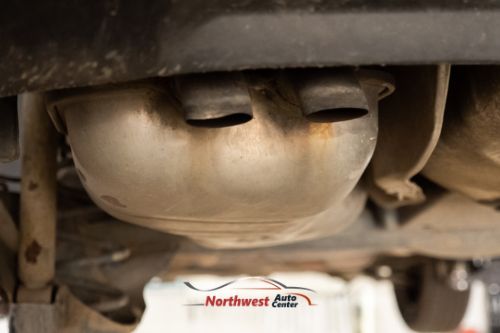 Performance: The Engine Computer Gets Bad Information
Modern engines rely on oxygen sensors in the exhaust to balance fuel and air. A leak ahead of a sensor lets outside air into the pipe, and the sensor reads a lean condition that does not really exist. The computer responds by adding fuel.
The result can result in lower gas mileage, rough idling, and hesitation under acceleration. A leak near the exhaust manifold also disrupts the back pressure the engine is designed around, so the vehicle feels sluggish when it merges or climbs a ramp.
Noise: The First Clue Most Drivers Notice
An exhaust system leak usually announces itself through sound. A small crack near the engine produces a ticking or tapping noise that is loudest on a cold start and fades as the metal expands. A hole farther back creates a deep rumble or roar that grows louder with speed.
That noise is more than an annoyance. It means the system is coming apart, and exhaust leaks never fix themselves. Heat cycles and road vibration keep widening the gap until a pipe or muffler hangs loose under the car.
Emissions: Failed Tests and Costly Converters
The catalytic converter turns harmful gases into less harmful ones, but it only works well when the engine computer keeps the fuel mixture in balance. Once a leak throws off sensor readings, the check engine light often comes on and the vehicle fails its emissions test.
The bigger worry is the converter itself. An engine that runs rich for months sends unburned fuel into the converter, where it overheats and clogs the honeycomb (substrate) inside. Replacing a catalytic converter costs far more than fixing the leak that ruined it.
Safety: Carbon Monoxide Has No Smell
The most serious reason to fix an exhaust leak is carbon monoxide. This gas is colorless and odorless, so passengers cannot tell when it seeps into the cabin. A leak under the floor or near the firewall can draw fumes inside, especially in slow traffic or with the windows up.
Early symptoms of carbon monoxide exposure include headache, dizziness, fatigue, and nausea, and drivers often blame them on a long day. At higher levels, the gas causes confusion and loss of consciousness. Anyone who feels unwell while driving and smells exhaust should pull over, get fresh air, and have the vehicle inspected before driving it again.
Signs It Is Time for an Exhaust System Inspection
A vehicle needs a professional look if it shows any of these warning signs for exhaust system leaks:
- Ticking, hissing, or roaring sounds that change with engine speed
- An exhaust smell inside the cabin
- A check engine light or a failed emissions test
- A sudden drop in fuel economy or power
- Vibration in the floor, pedals, or steering wheel
- Visible rust, holes, or a hanging pipe under the vehicle
Northwest Auto Center of Houston has helped local drivers for more than 30 years with honest diagnostics and fair, no-nonsense quotes. Our technicians locate the source of the leak, explain what they find, and recommend only the repairs the vehicle needs. Call us at (281) 894-8880 or visit us today to schedule an exhaust inspection.


Leave A Comment
You must be logged in to post a comment.